Introduction to Lucknow’s Rich Cultural Heritage
Lucknow, the capital city of Uttar Pradesh, is renowned for its opulent history and vibrant cultural tapestry. Established in the 13th century, the city has been shaped by a myriad of influences, from the Persian and Mughal legacies to local traditions. This contact between various cultures is evident in the city’s architecture, food, language, and, most prominently, its festivals, which reflect the rich confluence of traditions that define Lucknow.
Home to monumental structures like the Bara Imambara and the Rumi Darwaza, the city exemplifies an architectural grandeur that tells stories of its glorious past. The intricately designed buildings are not just tourist attractions; they are symbols of the city’s historical significance, dotted throughout with elements that reflect the amalgamation of cultures. The diverse heritage also influences the myriad of festivals celebrated in Lucknow, where various communities come together to share and practice their unique traditions.
Festivals such as Eid, Diwali, Holi, and Dussehra, are celebrated with great enthusiasm and serve as a platform for showcasing Lucknow’s eclectic cultural identity. Each festival not only marks an important religious occasion but also acts as a catalyst for social cohesion among the city’s residents. The streets come alive with colorful decorations, traditional music, and dance, inviting everyone, irrespective of their backgrounds, to partake in the celebrations. This rich cultural heritage fosters a sense of unity, marking the city as a vibrant hub of traditions that continue to flourish while embracing change.
Thus, festivals in Lucknow are not merely events; they embody the spirit of a culturally rich city that prides itself on its diversity and the preservation of its heritage. Understanding these festivals provides a deeper insight into the essence of Lucknow and the values that shape its communal life.
Major Festivals Celebrated in Lucknow
Lucknow, a city steeped in history and culture, plays host to a vibrant tapestry of festivals that reflect its rich traditions and communal harmony. Among the major festivals celebrated in this city, Eid, Diwali, Holi, and Baisakhi stand out for their significance and unique local flavor.
Eid, celebrated by the Muslim community, marks the end of Ramadan, a month of fasting and prayer. The festival is significant as it fosters unity and compassion. In Lucknow, Eid begins with a special prayer at mosques, followed by the sharing of meals with family and friends. The aroma of delicious biryani and sweet dishes fills the air, as it is a time for joyful feasting and gifting.
Diwali, the festival of lights, is celebrated by the Hindu community and signifies the triumph of light over darkness. In Lucknow, homes are adorned with earthen lamps, and the city sparkles with colorful fireworks. Families gather to exchange sweets, and special events in public squares, including cultural performances, create a joyful atmosphere that embodies the spirit of togetherness.
Holi, the festival of colors, is another major celebration in Lucknow. It brings people together in a spirit of joy and laughter, as participants indulge in throwing vibrant colored powders at one another. This festival symbolizes the arrival of spring and the victory of good over evil. The streets of Lucknow come alive with music, dance, and exuberance, creating a festive ambiance filled with camaraderie.
Baisakhi, primarily celebrated by the Sikh community, marks the harvest season and the new year. In Lucknow, the day is celebrated with religious processions, traditional music, and dances. The festival not only showcases the agricultural heritage of Punjab but also promotes values of gratitude and community empowerment.
These festivals in Lucknow are deeply rooted in the socio-cultural fabric of the city, showcasing a beautiful blend of traditions and communal harmony that reflects its diverse heritage.
The Role of Food in Celebratory Events
Food holds a significant place in the festivals of Lucknow, acting as a medium through which cultural heritage is conveyed and relationships are fostered. The sumptuous culinary offerings during these occasions are not just about satisfying hunger but also about celebrating tradition, family, and community. Lucknow’s festivals are often characterized by an array of traditional dishes that reflect the city’s rich historical tapestry.
During major festivals like Eid, Diwali, and Holi, the aroma of delectable dishes fills the air, inviting everyone to partake in the culinary joy. One of the standout dishes is the Hyderabadi Biryani, a fragrant rice dish layered with marinated meat, symbolizing celebration and hospitality. It is customary for families to serve biryani to guests, reinforcing the bond shared over this communal meal.
Equally beloved are the sweets that grace Lucknow’s festival tables. Delicacies such as ‘Gulab Jamun’, ‘Jalebi’, and ‘Kheer’ are deeply rooted in the celebrations, each carrying a unique story of joy and festivity. Sweets are often exchanged among friends and relatives, epitomizing the spirit of generosity and strengthening social ties within the community. The preparation of these traditional sweets often involves intricate methods passed down through generations, fostering a sense of continuity and shared identity.
Moreover, traditional food in Lucknow acts as a great unifier during festivals, inviting diverse groups together to enjoy meals, fostering a sense of belonging. Whether it is family feasts or neighborhood gatherings, sharing food remains a central theme that enhances the festive atmosphere and underscores the traditional values of hospitality and togetherness.
Music and Dance: A Vibrant Element of Festivals
In Lucknow, music and dance play a pivotal role in the celebration of festivals, fostering a sense of community and cultural pride. Traditional performances, especially during events like Eid, Diwali, and Holi, showcase the rich artistic heritage of the city. These festivities serve as a platform for artists to present their mastery of classical music, folk traditions, and contemporary rhythms, encapsulating the multifaceted nature of Lucknow’s cultural landscape.
The classical music of the region, often characterized by its intricate melodies and ragas, is prominently featured during religious ceremonies and celebrations. Renowned musicians gather to enthrall audiences with performances of Hindustani classical music, creating an atmosphere of reverence and joy. Moreover, folk genres such as Qawwali are particularly impactful during festivals, as they weave together themes of spirituality and communal harmony through powerful vocals and rhythmic clapping.
Dance is equally essential to the festive ambience in Lucknow. Traditional dance forms, including Kathak, are frequently showcased in various celebrations. This classical dance form, known for its expressive gestures and intricate footwork, tells stories rooted in cultural heritage. Additionally, the participation in popular folk dances such as the Gidda and Bhangra, especially during harvest festivals, allows residents to express their exuberance and connect with their roots.
Moreover, various musical events, including competitions and open-mic nights, are organized throughout the year, augmenting the festive spirit. These events encourage local talents to come forward and share their artistry, thereby enhancing the communal atmosphere. Music and dance during the festivals of Lucknow not only enhance the celebratory mood but also embody the historical and cultural essence of this vibrant city.
Processions and Rituals: The Heart of Celebrations
The city of Lucknow, with its rich cultural heritage, showcases a vibrant tapestry of festivals that are marked by various processions and rituals. These events are not merely celebrations; they are a profound expression of the city’s cultural identity and communal harmony. One of the most notable festivals is Diwali, the festival of lights, where the streets come alive with processions adorned with lanterns and diyas (oil lamps). The communal effort in decorating homes and public spaces fosters a sense of togetherness among residents.
Another significant event is Moharram, particularly observed by the Shia Muslim community. This occasion features elaborate processions known as Zuljanah, where participants commemorate the martyrdom of Imam Husayn. The somber yet poignant atmosphere is characterized by the recitation of elegies and the display of passion plays that depict historical narratives. Such rituals not only serve as a reminder of faith but also reinforce community bonds as individuals come together to honor shared values.
The Holi festival presents a contrasting yet equally captivating scenario, where color and joy permeate the air. Processions feature music, dance, and vibrant powders, encouraging spontaneous participation from onlookers. The essence of Holi in Lucknow lies in its ability to dissolve social barriers as people from various backgrounds join hands to celebrate together.
Furthermore, Eid in Lucknow sees communal prayers and festivities, where the spirit of sharing is palpable. Processions from mosques to neighborhoods symbolize the unity of the Muslim community, while the cultural practices of exchanging sweets and meals extend the joy beyond religious confines.
In essence, the processions and rituals observed during festivals in Lucknow are a testament to the city’s enduring commitment to its cultural legacy. They play a vital role in building social cohesion and reinforcing the values of respect and understanding among diverse communities.
Art and Craft Exhibitions During Festivities
Lucknow, a city renowned for its rich heritage and vibrant cultural tapestry, comes alive during various festivals with art and craft exhibitions that reflect the traditional skills of local artisans and craftsmen. These events play a pivotal role in showcasing the unique artistic lineage of the region, making it a significant aspect of the city’s festive celebrations.
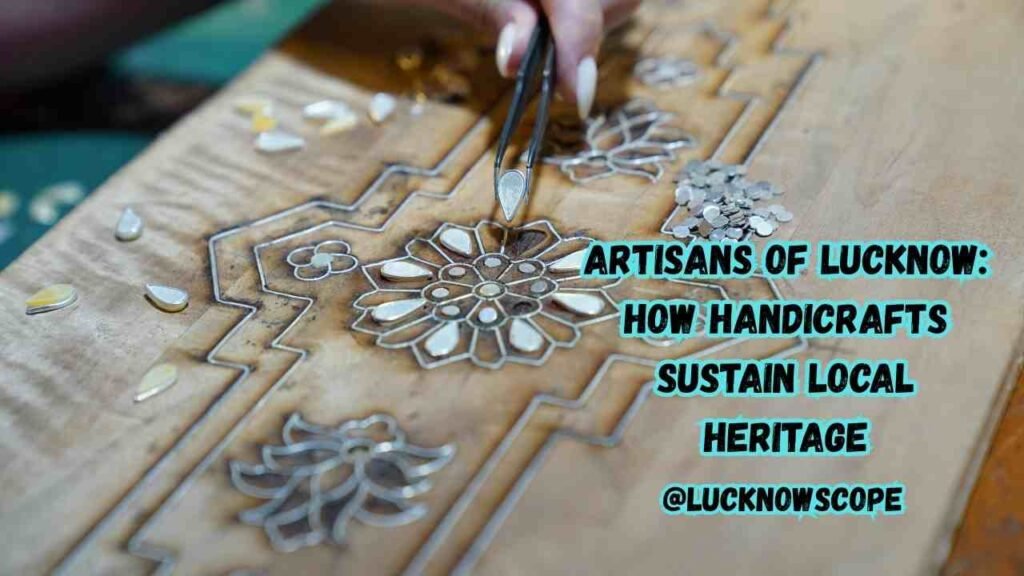
During these periods, local artisans gather at fairs and exhibitions to present their handcrafted items, ranging from intricate chikankari embroideries and exquisite zardozi works to fine pottery and handwoven textiles. The craftsmanship, embodied in these pieces, carries stories and traditions passed down through generations, emphasizing the cultural importance of preserving these art forms. It also allows visitors to appreciate the painstaking processes involved in each creation, from design conception to final touches.
Events such as the Lucknow Art Festival further enrich the festival atmosphere by providing a platform for diverse artistic expressions. Local craftsmen engage directly with attendees, offering demonstrations and workshops, thus facilitating an immersive experience that helps cultivate a deeper understanding and appreciation of the arts and crafts. This interaction not only fosters a sense of community but also encourages the revitalization of traditional techniques that may otherwise be in danger of fading away.
Moreover, these exhibitions serve as crucial economic boosters for the artists involved, allowing them to gain visibility and market their works effectively. By connecting with larger audiences, artisans can secure better sales opportunities and promote their art to new customers. Therefore, the art and craft exhibitions during festivals in Lucknow do not merely serve as showcases of creativity; they embody a celebration of culture and tradition, essential for the city’s identity and its ongoing legacy in the contemporary world.
Community Involvement and Festive Spirit
Festivals in Lucknow are not merely events marked by celebration; they are an embodiment of the city’s rich cultural heritage, deeply rooted in community involvement. The residents’ participation during these festive occasions is paramount, reflecting a sense of unity and shared identity. From organizing events to actively volunteering, the community comes together to ensure that each celebration is vibrant and inclusive.
Local organizations often spearhead initiatives that involve community members in various capacities. For instance, during the festival of Diwali, residents collectively decorate their neighborhoods with lights and rangoli, showcasing their artistic talents while fostering a spirit of collaboration. Such efforts not only beautify the surroundings but also promote a sense of belonging among the participants.
Moreover, volunteerism plays a pivotal role in enhancing the festive atmosphere in Lucknow. Numerous individuals dedicate their time to help organize events, distribute resources, or assist in cultural programs. This collective effort is particularly evident during Eid celebrations, where volunteers coordinate food drives, ensuring that everyone, regardless of their socio-economic status, can partake in the festivities.
The city’s diversity is a significant factor in fostering community spirit during festivals. People from various backgrounds come together, exchanging traditions and practices that enrich the celebrations. This intertwining of cultures is exemplified during Holi, where neighbors of different faiths and backgrounds freely engage in playful color throwing, epitomizing harmony and friendship.
In essence, community involvement in Lucknow’s festivals transcends mere participation; it builds connections and reinforces the bonds among residents. This collaborative effort enhances the joyous spirit of celebrations, creating lasting memories that define the festive spirit of the city. Such communal celebrations not only honor traditions but also strengthen the fabric of society, making each festival a testament to Lucknow’s vibrant community identity.
Challenges and Preservation of Traditions
The rich tapestry of traditional festivals in Lucknow faces significant contemporary challenges that threaten the essence of its cultural heritage. One major issue is modernization, which often leads to a departure from the authentic practices that define these festivities. As urbanization accelerates, younger generations find themselves increasingly disconnected from their ancestral traditions. The influence of globalization further complicates the scenario, as global cultural phenomena overshadow local customs, making it difficult for traditional events to compete for attention.
Cultural dynamics are shifting rapidly, with technological advancements facilitating new forms of entertainment that appeal to the younger population. This shift has prompted a reevaluation in how traditional festivals are celebrated. For instance, while some festivals continue to thrive with community participation, others may witness dwindling attendance, resulting in a potential loss of rituals and practices that have been passed down through generations.
In light of these challenges, efforts to preserve the traditional festivals of Lucknow are ongoing. Local organizations and cultural groups are actively engaged in promoting awareness about the historical significance of these events. Schools and educational institutions are incorporating local traditions into their curricula, emphasizing the importance of cultural heritage. Additionally, social media campaigns are being utilized to reignite interest among the youth by showcasing the colorful and vibrant elements of festivals such as Diwali and Eid, which symbolize unity and diversity.
The involvement of government bodies is also crucial for the preservation of these traditions. Initiatives that provide funding for cultural events and festivals help ensure that they remain economically viable and accessible to the public. By integrating modern approaches with traditional elements, it is possible to create festivals that resonate with contemporary audiences while honoring their profound cultural roots.
Conclusion: The Future of Festivals in Lucknow
The future of festivals in Lucknow presents an exciting opportunity for cultural enrichment and community bonding. As the city embraces modernization, it remains essential for its festivals to adapt while preserving the essence of traditional values. Festivals not only celebrate heritage but also provide a platform for artistic expression, social gathering, and communal harmony. Maintaining the spirit of these events is crucial for fostering identity amid rapid urbanization.
In the years to come, Lucknow’s festivals can evolve by incorporating contemporary elements that resonate with younger generations. This includes the integration of technology, such as social media campaigns and virtual celebrations, which can help broaden the reach and engagement of these cultural gatherings. Furthermore, adapting festival themes to address current societal issues could enhance relevance and participation, ensuring that these events continue to mirror the evolving narratives of the city’s populace.
It is also vital for local communities and organizers to engage in dialogue and collaboration, ensuring that each festival reflects the diverse voices of Lucknow’s inhabitants. This inclusivity will enrich the cultural tapestry of the city, allowing for a broader spectrum of traditions and practices to be represented. By promoting educational initiatives that allow younger generations to learn about and appreciate their heritage, festivals can serve as both a bridge connecting the past and a pathway leading into the future.
As Lucknow navigates its cultural landscape, the vibrancy and vitality of its festivals will undoubtedly play a significant role in shaping its identity. In conclusion, while the essence of these celebrations must be preserved, innovation and adaptability should guide their evolution, ensuring that they remain relevant and cherished by all. Exploring these vibrant festivities fosters a deeper appreciation for the city’s rich history and cultural diversity.