By Archana Tyagi
When we talk about Uttar Pradesh, one name immediately captures the imagination of millions across India and around the world: Agra. This magnificent city, located in the northwestern part of Uttar Pradesh, stands as a testament to India’s rich Mughal heritage and continues to be the nation’s most recognizable symbol of love, architecture, and cultural grandeur.
As an educator and writer who has spent years exploring the stories of Indian cities, I find Agra fascinating not just for its world-famous monuments, but for the vibrant layers of history, culture, commerce, and human stories that make this city truly extraordinary.
A City Shaped by Imperial Grandeur
Agra’s significance in Indian history cannot be overstated. The city served as the capital of the Mughal Empire under emperors like Akbar and Shah Jahan, making it one of the most powerful and culturally influential cities of medieval India. The Mughal period, spanning from the 16th to 18th centuries, left an indelible mark on Agra’s architecture, culture, and urban planning that remains visible today.
What makes Agra particularly special is how the city has preserved—and continues to celebrate—this imperial legacy. Walking through the streets of Agra, whether you’re visiting the grand boulevards near the monuments or exploring the narrow lanes of the old city (purana shahar), you can feel the echoes of centuries past.
The Taj Mahal: More Than Just a Monument
Of course, when discussing Agra, one cannot avoid the elephant in the room—or rather, the magnificent white marble mausoleum that draws nearly 7-8 million visitors annually. The Taj Mahal, built by Emperor Shah Jahan in memory of his beloved wife Mumtaz Mahal, is not merely a tourist attraction; it is a profound representation of love, architectural perfection, and artistic excellence.
But here’s what fascinates me as an educator: the Taj Mahal teaches us so much beyond its breathtaking aesthetics. The monument showcases the perfect blend of Persian, Islamic, and Indian architectural traditions. The intricate marble inlay work (pietra dura), the symmetrical gardens, the proportional mathematics embedded in its design—all of these elements make the Taj Mahal a masterclass in art and engineering that would captivate students of history, architecture, art, and mathematics alike.
The Taj Mahal also represents an interesting economic phenomenon. As the world’s most famous monument, it drives significant tourism revenue, employment, and business opportunities for the city. Hotels, restaurants, guide services, and handicraft shops thrive in its shadow, making tourism the lifeblood of Agra’s modern economy.
Beyond the Taj: Agra’s Rich Architectural Heritage
While the Taj Mahal often overshadows other monuments, Agra houses numerous other sites of historical and architectural importance. The Agra Fort (also known as Lal Qila), another UNESCO World Heritage Site, is equally remarkable. This massive red sandstone fortress served as the residence and seat of power for Mughal emperors and showcases the military architecture and palatial grandeur of its era.
The Agra Fort tells a different story than the Taj Mahal—one of power, governance, and imperial administration. Its walls have witnessed the rise and fall of empires, and walking through its gates, you step directly into the administrative chambers where crucial decisions were made that shaped Indian history.
Other significant monuments include the Fatehpur Sikri, a UNESCO World Heritage Site located near Agra, which was built by Akbar but later abandoned. The Akbar’s Tomb at Sikandara, the exquisite Itimad-ud-Daulah (often called the “Baby Taj”), and the Khas Mahal showcase the variety and evolution of Mughal architecture in the region.
The Culture and Lifestyle of Agra
What often gets overlooked in discussions about Agra is the living, breathing culture of its residents. Agra is home to nearly 1.6 million people who maintain their own traditions, celebrate their own festivals, and carry forward centuries of cultural practices.
The city has a thriving classical music and dance tradition. Agra has been home to several schools of Hindustani classical music, and the city’s contribution to Indian performing arts is significant. Similarly, the traditional crafts of Agra—particularly marble inlay work (inspired by the techniques used in the Taj Mahal), carpet weaving, and leather work—represent a living heritage that connects contemporary artisans with their ancestors’ skills.
Food is another fascinating aspect of Agra’s culture. The city’s cuisine reflects its Mughal heritage—dishes like petha (a sweet made from ash gourd), dal makhani, biryani, and nihari are local favorites. The street food culture is vibrant, with vendors preparing chaat, jalebi, and other Indian delicacies that tell stories of how culinary traditions evolve within communities.
Education and Development in Agra
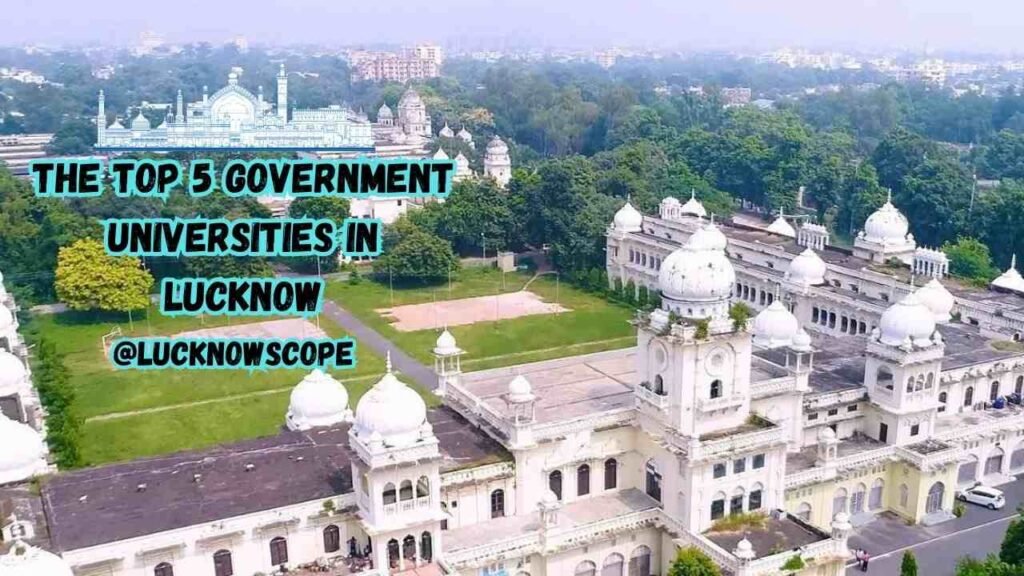
As an educator, I’m particularly interested in how cities develop their educational infrastructure. Agra hosts several reputable educational institutions, including Dr. Bhimrao Ambedkar University and various colleges offering courses in humanities, sciences, and commerce. The city has made efforts to balance its heritage tourism with modern development, though challenges remain.
The urban landscape of Agra presents an interesting study in contrasts. Historic sites stand adjacent to modern commercial establishments. Traditional bazaars coexist with shopping complexes. This duality makes Agra a living example of how cities evolve while attempting to preserve their heritage.
Economic Landscape and Tourism
Agra’s economy is substantially dependent on tourism. The sector provides direct employment to thousands—as guides, drivers, hotel staff, restaurant workers, and handicraft sellers. Indirectly, it supports many more through supply chains and service industries.
However, like many heritage cities, Agra faces challenges. Sustainable tourism, preservation of monuments, managing urban congestion, and improving waste management are ongoing concerns. The Municipal Corporation of Agra (MCA) and various government agencies work to balance development with conservation, though the pace of progress can sometimes feel slow.
According to data from the Ministry of Tourism, Government of India, Agra consistently ranks among the top tourist destinations in India, with significant revenue generated through hotel taxes, monument entrance fees, and indirect tourism spending.
Markets and Shopping
Agra’s markets are legendary. Kinari Bazaar, Sadar Bazaar, and Raja Ki Mandi are bustling commercial centers where you can find everything from traditional handicrafts to everyday goods. The marble work items, miniature Taj Mahal replicas, and inlaid artifacts make for popular souvenirs, though it’s important for visitors to distinguish between authentic traditional work and mass-produced imitations.
The city also has a strong leather industry, particularly in the Firozabad area nearby, which contributes significantly to Uttar Pradesh’s leather exports.
Modern Agra: Progress and Challenges
In recent years, Agra has been undergoing modernization efforts. Better road connectivity, improved transportation facilities, and infrastructure development projects aim to make the city more functional for both residents and tourists. The Agra Metro project has been under discussion to improve urban mobility.
Environmental concerns, particularly air quality and water management, have received increased attention. The Yamuna River, which flows through Agra and holds cultural significance, has been a focus of various restoration projects, though much work remains.
Conclusion: A City of Timeless Appeal
Agra represents something extraordinary in the Indian context—a city where history is not confined to museums or textbooks but lives in the streets, markets, and homes of its people. It is simultaneously one of India’s most famous cities and a place where everyday life continues with all its complexities and beauty.
For students of history, architecture, art, or culture, Agra is an open classroom. For tourists, it offers one of the world’s greatest monuments. For residents, it is home—a place where they navigate the challenges and joys of urban life while living in the shadow of greatness.
As we move toward a future where heritage conservation and sustainable development must coexist, Agra’s journey becomes increasingly important. How this magnificent city balances its role as a global tourist destination with the needs and aspirations of its residents will influence how other heritage cities across India approach similar challenges.
The Taj Mahal will always draw visitors from around the world. But Agra, in its entirety—with its history, culture, people, and evolving identity—deserves to be known and appreciated just as deeply.
Word Count: 1,560