Introduction to Uttar Pradesh’s Agricultural Landscape
The agricultural landscape of Uttar Pradesh is a critical component of India’s overall food production system, accounting for a significant portion of the country’s agricultural output. This state is characterized by its diverse agro-climatic conditions, which in turn influence the range of cropping patterns practiced by farmers across different regions.
Uttar Pradesh, being the most populous state in India, plays a vital role in the agricultural sector. The state is endowed with various climatic zones, including tropical, subtropical, and temperate, which facilitate the cultivation of a variety of crops. Its geographical diversity ranges from the fertile alluvial plains along the Ganges River to the semi-arid regions in the west, allowing for a wide spectrum of agricultural activities.
Cultivation in Uttar Pradesh primarily revolves around key staple crops such as wheat, rice, maize, and sugarcane, each adapted to specific agro-climatic zones. For instance, the Bundelkhand region is known for its traditional crops like sorghum and pulses, which are cultivated in rainfed areas. Conversely, the Terai region, with its rich soil and suitable climate, is ideal for high-yield crops like wheat and sugarcane.
The changing patterns of monsoon and temperature also contribute significantly to the agricultural practices within Uttar Pradesh. Farmers often adapt their cropping techniques to align with these climatic variations, employing technologies such as drip irrigation and high-yield seed varieties to optimize their crop production. Furthermore, seasonal shifts encourage multiple cropping cycles, enhancing productivity and sustainability across the state.
Thus, Uttar Pradesh exemplifies a complex interplay between its agro-climatic zones and cropping patterns, highlighting its pivotal role in not only meeting the food demands of its population but also contributing to India’s agricultural economy.
Understanding Agro-Climatic Zones
The concept of agro-climatic zones refers to areas that have similar climate patterns, specifically tailored towards agricultural production. These zones are crucial for determining suitable cropping patterns, as they significantly influence the growth and yield of various crops. Key factors such as temperature, rainfall, humidity, and elevation play pivotal roles in defining these zones. Generally, agro-climatic zones can be classified based on the temperature ranges and precipitation levels, which ultimately affects the soil types and other environmental characteristics.
In Uttar Pradesh, agro-climatic zones are categorized into several distinct types. The classification divides the state into four primary zones: the Western Plains, Eastern Plains, Bundelkhand Region, and the Vindhyan Region. Each of these zones possesses unique climatic conditions that contribute to diverse agricultural practices. For instance, the Western Plains experience a temperate climate with adequate rainfall, making it suitable for a variety of crops, including wheat and sugarcane.
Conversely, regions like Bundelkhand are characterized by a semi-arid climate, resulting in lower rainfall which limits agricultural viability. The Eastern Plains, on the other hand, are endowed with fertile alluvial soil, supported by significant river systems which contribute to supportive irrigation. The effective understanding of these agro-climatic zones is vital for farmers and policymakers as it allows for better crop selection based on local conditions.
By leveraging knowledge of agro-climatic zones, stakeholders can promote sustainable agricultural practices and ensure optimal use of resources. This understanding not only aids in enhancing agricultural productivity but also in managing risks associated with climate variability and changing weather patterns. Thus, comprehending agro-climatic zones becomes imperative for anyone involved in agriculture in Uttar Pradesh.
Major Cropping Patterns in Uttar Pradesh
Uttar Pradesh, being one of the most agriculturally significant states in India, exhibits diverse cropping patterns that correspond to its varied agro-climatic zones. The principal cropping seasons in the state are categorized into Kharif, Rabi, and Zaid. Each season is characterized by specific climatic conditions and types of crops that are ideally suited for cultivation.
The Kharif season, which commences with the onset of the monsoon, typically spans from June to October. In this period, crops such as paddy, maize, jowar, and cotton are commonly grown. These crops thrive in the warm, wet conditions prevalent during this season. Yields for Kharif crops can vary significantly based on rainfall, soil conditions, and pest management, but paddy stands out as the primary crop, contributing substantially to the agrarian economy of the region.
In contrast, the Rabi season occurs from November to April, relying on cooler temperatures and winter rainfall. Major Rabi crops include wheat, barley, peas, and mustard. The yield of these crops tends to be higher due to the favorable weather conditions for growth and harvest. Wheat, in particular, is a staple food and is extensively cultivated across the state, playing a pivotal role in food security.
The Zaid season is a short, summer season that generally occurs between the Rabi and Kharif seasons, lasting from March to June. In this period, crops like cucumber, pumpkin, and various pulses are sown. While Zaid crops are less extensive, they contribute to the diversification of cropping patterns and maintain soil health.
In addition to these seasonal patterns, both monoculture and mixed cropping practices are employed by farmers. Monoculture focuses on single-crop cultivation to achieve higher yields from specific crops, while mixed cropping integrates various crops to mitigate risks associated with market fluctuations, pest infestations, and climatic changes. This diversity in cropping practices is essential for sustaining agricultural productivity and ensuring food security in Uttar Pradesh.
Factors Influencing Cropping Patterns
The cropping patterns in Uttar Pradesh are significantly influenced by multiple interrelated factors. These factors can be categorized into climatic conditions, soil types, water availability, socio-economic variables, and advancements in technology.
First and foremost, climatic conditions play a pivotal role in determining the types of crops cultivated. Uttar Pradesh experiences a diverse climatic regime, ranging from extreme heat in the summer to chilly winters. Agricultural practices are thereby dictated by seasonal variations such as the monsoon rainfall, which is crucial for crop irrigation. The average annual rainfall in diverse regions of Uttar Pradesh impacts the planting and harvesting schedules of farmers, guiding them towards either Kharif (monsoon) or Rabi (winter) cropping patterns.
Soil types in the region also contribute to the suitability for particular crops. The presence of alluvial soil across the Gangetic plain enhances fertility, making it potentially favorable for crops such as rice, wheat, and sugarcane. Conversely, sandy soils in certain districts may limit agricultural diversity, affecting the local cropping patterns.
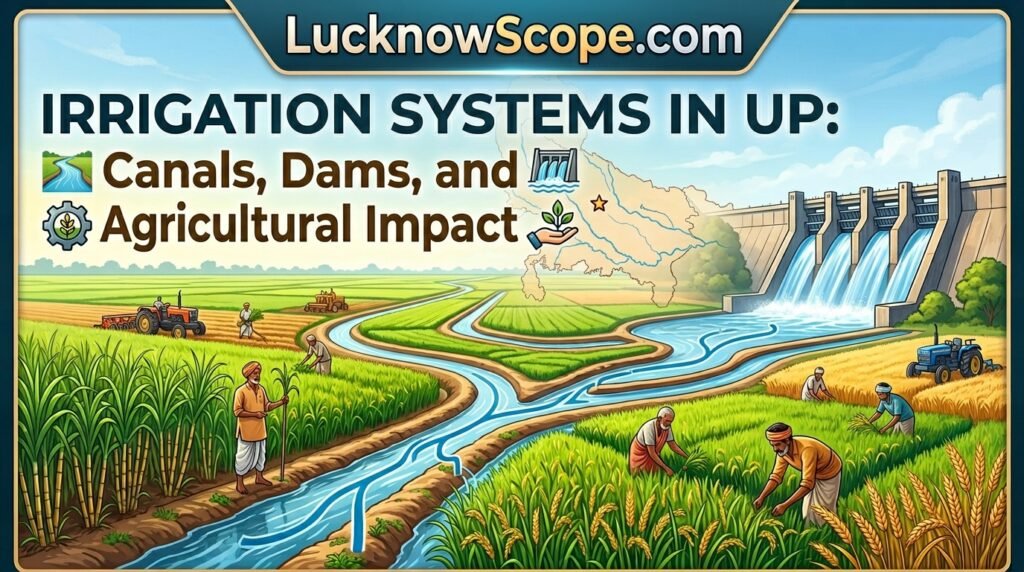
Water availability further complicates the scenario. The reliance on irrigation sources, including tubes wells and canals, determines cropping intensity and sustainability. Areas with abundant water supply encourage intensive cropping, whereas regions facing water scarcity adopt less water-demanding crops.
Socio-economic factors, including farmer education, access to markets, and government policies, also influence the choice of crops. For example, farmers with better access to market information tend to select crops with higher demand. Technological advancements, such as improved seed varieties and modern farming equipment, have improved yields and expanded the cropping options available to farmers. Integrating all these elements forms a complex web that influences the cropping patterns in Uttar Pradesh.
Regional Analysis of Cropping Patterns
Uttar Pradesh, the most populous state in India, is marked by diverse agro-climatic zones that significantly influence the region’s cropping patterns. This state’s agricultural landscape can be broadly categorized into distinct regions, each characterized by unique geographical features such as river basins and plains. These variations play a critical role in determining the types of crops cultivated in different areas.
The western region of Uttar Pradesh, primarily composed of the Ganga-Yamuna Doab, exhibits fertile alluvial soil that is conducive to growing high-yielding varieties of wheat, barley, and pulses. The abundance of water resources from the rivers facilitates irrigation, enhancing productivity and supporting multiple cropping seasons. In contrast, the eastern part of the state, which is influenced by the lower Ganges plains, shows a predominance of rice and sugarcane cultivation due to similar soil fertility and a continuous supply of water throughout the growing season.
Moving towards the southern regions, which are characterized by the Vindhya plateau, farmers primarily engage in cultivating coarse cereals such as millet and sorghum. The agro-climatic conditions in this area are slightly less favorable for high-value crops, but adapted varieties meet local food security needs. Additionally, regions bordering the Himalayan foothills are suitable for growing temperate fruits and vegetables, in stark contrast to the plains where staple crops dominate.
Another significant factor affecting cropping patterns in Uttar Pradesh includes seasonal variations. The monsoon season, which typically extends from June to September, dictates planting schedules. Farmers adjust their cropping choices based on rainfall patterns, which further diversifies the agricultural outputs across different regions.
Understanding these regional cropping patterns in Uttar Pradesh is crucial for policymakers and agricultural planners. It can foster enhanced resource allocation, promote sustainable farming practices, and improve food security across various communities.
Sustainability and Challenges in Current Cropping Practices
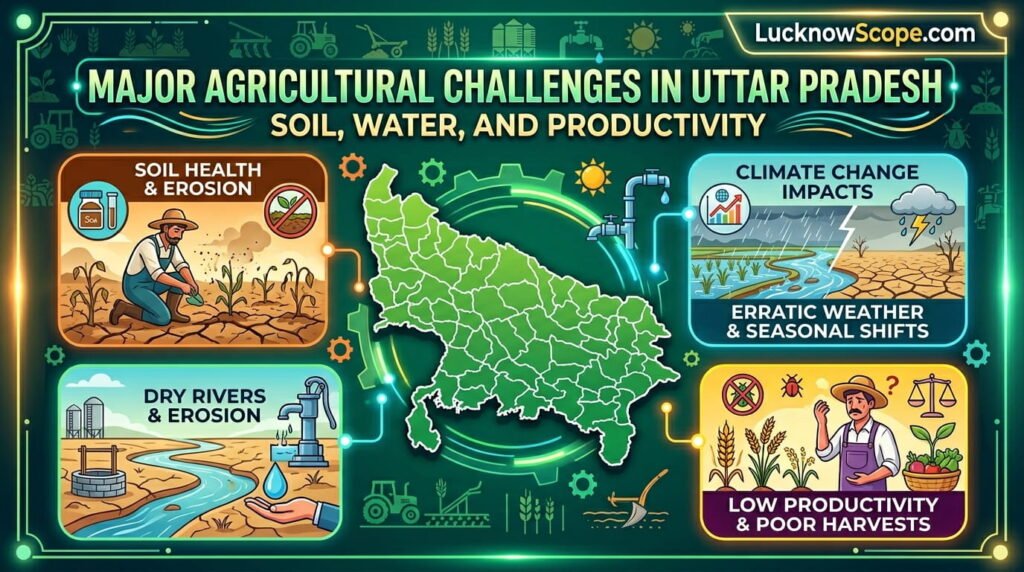
In Uttar Pradesh, sustainability in agricultural practices faces significant challenges that threaten the viability of its cropping systems. One prominent issue is soil degradation, which includes nutrient depletion and erosion. Over-reliance on chemical fertilizers and monoculture practices has led to a decline in soil health and fertility, making it increasingly difficult to support high-yield crops. To address this degradation, sustainable practices such as crop rotation and organic farming must be adopted, promoting the replenishment of essential nutrients and enhancing soil structure.
Another pressing concern is water scarcity. Uttar Pradesh depends heavily on irrigation, and the over-extraction of groundwater has caused significant depletion of aquifers. This issue is exacerbated by inefficient irrigation methods, leading to wastage and increased competition among agricultural users. To promote sustainability, investing in water conservation technologies, such as drip irrigation and rainwater harvesting, is critical. By optimizing water usage, farmers can not only mitigate water scarcity but also improve resilience against dry spells.
Climate change poses additional threats to the state’s agricultural framework. Erratic weather patterns, shifting rainfall distributions, and rising temperatures are becoming increasingly common. Such climate variability affects crop yields and reduces the effectiveness of traditional agricultural practices. Farmers must adopt adaptable strategies that consider climate-resilient crops, agroforestry, and other permaculture principles, which help to mitigate the effects of climate change while enhancing biodiversity.
Ultimately, addressing these sustainability challenges is crucial for securing the future of agriculture in Uttar Pradesh. Through concerted efforts towards innovative agricultural methods, the state can cultivate a more resilient agricultural landscape that not only meets the food demands but also preserves the environment for future generations.
Future Trends in Cropping Patterns
The agricultural landscape of Uttar Pradesh is on the verge of significant transformation, guided by innovations in technology, changing climate conditions, and shifting consumer preferences. As farmers adapt to these challenges, emerging cropping patterns are expected to play a pivotal role in the region’s agricultural sustainability and productivity.
One of the prominent trends is the increasing cultivation of high-value crops, such as fruits, vegetables, and medicinal plants. These crops not only promise better economic returns but also align with the growing demand for fresh and organic produce in urban markets. The rise of horticulture in Uttar Pradesh indicates a shift from traditional cereal-based cropping systems. Moreover, the introduction of crops that require less water is becoming popular, particularly in light of climate variability. This includes legumes and drought-resistant varieties, essential for coping with frequent dry spells.
In addition, advancements in precision agriculture technology are beginning to influence cropping patterns in the state. Farmers are increasingly utilizing techniques such as soil moisture sensors, satellite imagery, and data analytics to make informed decisions about crop management. This shift towards data-driven agriculture can help optimize input use, reduce costs, and ultimately increase yields.
Another notable trend is the adoption of intercropping and mixed cropping systems, which are being recognized for their potential to enhance biodiversity and soil health. These practices not only reduce the vulnerability of crops to pests and diseases but also contribute to more resilient farming systems.
Furthermore, government initiatives aimed at promoting sustainable agricultural practices are expected to encourage farmers to adopt these emerging patterns. Programs focusing on organic certification, integrated pest management, and efficient water use provide the necessary support for transitioning to more sustainable farming practices. Overall, the future of cropping patterns in Uttar Pradesh appears to be one of adaptability and innovation, driven by the needs of the environment and market demands.
Exam Insights and Agricultural Policies
Students preparing for examinations in agriculture, particularly in the context of Uttar Pradesh, should focus on understanding various cropping patterns influenced by the state’s agro-climatic zones. The state is characterized by diverse climatic conditions, ranging from subtropical humid to semi-arid, which play a crucial role in determining the agricultural practices and cropping systems. It is essential to study the climatic variables affecting crop yields and the significance of soil types across different regions. Key crops such as rice, wheat, and sugarcane are of particular importance and should be well understood.
Additionally, students must familiarize themselves with the agricultural policies implemented by the Uttar Pradesh government. Policies such as the U.P. Sardar Vallabhbhai Patel Agriculture Irrigation Corporation and the Pradhan Mantri Kisan Samman Nidhi scheme enhance farmers’ capabilities and promote sustainable agriculture. Understanding the implications of these policies on cropping patterns, including subsidy provisions and financial aid, is crucial for grasping how agricultural development is fostered in the state.
Examinees should pay attention to recent trends in agricultural technology adoption and its impact on productivity. The integration of modern farming techniques, such as precision agriculture, plays a vital role in optimizing input use and minimizing resource waste, which can directly influence cropping patterns. Students need to be aware of evolving practices that are supported by the government frameworks, such as crop diversification and intercropping strategies aimed at improving soil health and increasing farmers’ incomes.
In preparation for exams, it is also valuable to analyze case studies showcasing successful cropping patterns in Uttar Pradesh. Practical examples will reinforce theoretical knowledge and provide insights into real-world applications of agricultural policies. Staying updated on current events related to agriculture in the state will enhance a student’s understanding of the dynamic agricultural landscape.
Conclusion: The Road Ahead for Agriculture in Uttar Pradesh
The agricultural landscape of Uttar Pradesh is undergoing significant transformations due to various factors including climate change, population growth, and evolving market dynamics. As detailed in earlier sections, the region’s diverse agro-climatic zones provide unique opportunities for a wide range of cropping patterns, which have important implications for food security and economic sustainability. However, these opportunities come with challenges that necessitate a proactive approach to agricultural practices.
One crucial aspect for the future is the adaptability of farmers to changing environmental conditions. Emphasizing the need for climate-resilient agricultural techniques is vital. Agronomic innovations such as drought-resistant crop varieties, efficient irrigation systems, and integrated pest management can support farmers in responding effectively to adverse climatic events. Furthermore, adopting precision farming practices can enhance productivity while minimizing environmental impacts.
Policy interventions play a pivotal role in shaping the agricultural framework in Uttar Pradesh. The government must focus on creating an enabling environment that encourages research and development in sustainable agriculture. Supportive policies that provide incentives for organic farming or the use of eco-friendly inputs can significantly contribute to environmental conservation.
Education and training for farmers are equally important. Implementing extension services and training programs can empower farmers with knowledge about modern farming techniques, efficient resource management, and market trends. Awareness campaigns promoting best practices can facilitate a gradual shift towards a more sustainable agricultural model.
In conclusion, while the future of agriculture in Uttar Pradesh is full of potential, it hinges on the collective efforts of farmers, policymakers, and educators. Through concerted actions encompassing innovation, policy reform, and capacity building, Uttar Pradesh’s agriculture can evolve to meet the challenges of tomorrow while ensuring food security and economic viability for its populace.