Introduction to Irrigation in Uttar Pradesh
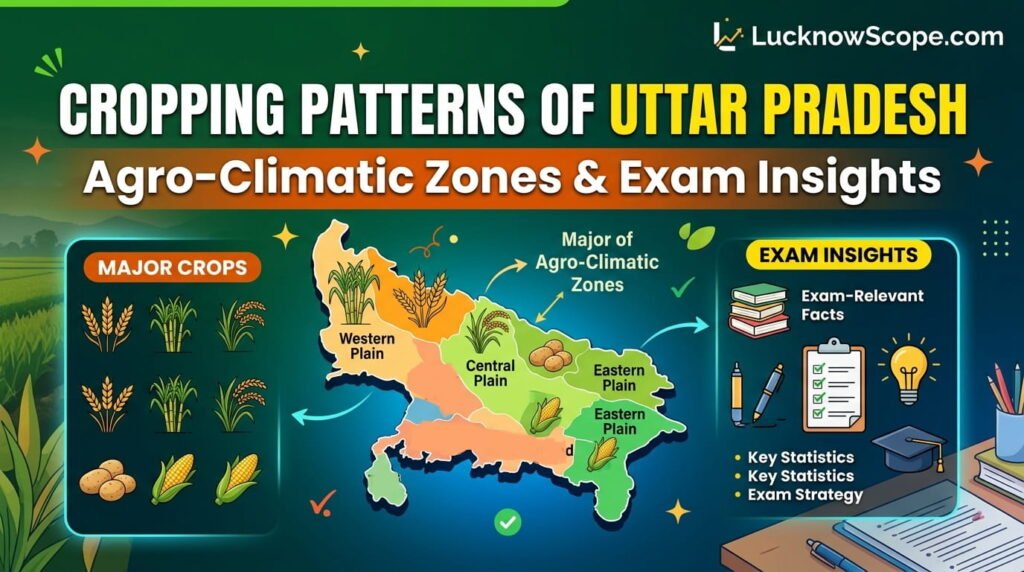
Irrigation plays a pivotal role in the agricultural landscape of Uttar Pradesh, one of India’s foremost agrarian states. With a diverse array of crops, including rice, wheat, sugarcane, and pulses, the region significantly contributes to the nation’s food security. The extensive agricultural practices in Uttar Pradesh hinge on adequate water supply, making irrigation systems essential in addressing the challenges posed by seasonal variations and unpredictable rainfall patterns.
Uttar Pradesh experiences a subtropical climate, characterized by hot summers and cold winters, which can affect crop yields. Given that the monsoon season typically lasts from June to September, the reliance on rain-fed farming is fraught with risks. Therefore, the implementation of durable and effective irrigation systems, such as canals and dams, becomes vital to ensure consistent water availability throughout the year. These systems are crucial for maximizing agricultural output and improving rural livelihoods.
The state boasts a vast system of rivers, canals, and reservoirs, contributing substantially to its irrigation framework. Projects such as the Ganga and Yamuna river basins serve as significant sources of water for irrigation, while also aiding in flood control during the monsoon season. By enhancing the efficiency of these irrigation systems, farmers gain improved access to water, enabling them to cultivate high-value crops and adapt to changing climatic conditions.
In summary, the irrigation infrastructure in Uttar Pradesh is of paramount importance for sustaining the agricultural economy. Through effective management and modernization of these systems, the state can bolster its agricultural production and enhance the overall quality of life for its farming communities. This integration of irrigation practices underscores the critical nature of water management in ensuring food security and economic stability within the region.
Overview of Irrigation Systems
Irrigation systems play a critical role in agriculture, providing a means to deliver water to crops in a controlled manner, which enhances agricultural productivity, particularly in areas where rainfall is inconsistent. These systems can be broadly categorized into various types, each with its unique methods and applications that align with local environmental conditions and crop requirements.
Globally, irrigation systems are commonly divided into surface, drip, and sprinkler methods. Surface irrigation involves the distribution of water over the soil surface, allowing it to infiltrate into the root zone. This method is most prevalent in regions where water is abundant and can be diverted from rivers or lakes. Drip irrigation, on the other hand, is a more efficient system that delivers water directly to the base of each plant via a network of tubes and emitters. This method is particularly beneficial in arid and semi-arid regions, as it minimizes evaporation and runoff. Lastly, sprinkler irrigation mimics natural rainfall by using spray heads or nozzles to distribute water over the field, making it suitable for various crop types and slopes.
In Uttar Pradesh, the adaptation of these irrigation methods is crucial due to the state’s diverse agricultural landscape and varying climatic conditions. The region has utilized canal systems and constructions like dams to optimize water usage, thereby significantly influencing farming practices. Canals are extensively used for surface irrigation, tapping into rivers and reservoirs to support a wide range of crops. Dams not only store water but also help regulate flows during dry periods, ensuring that farmers have access to water during critical growth phases. By integrating these techniques, farmers in Uttar Pradesh can improve crop yields and contribute to food security in the region.
Canal Irrigation: Historical Context and Development
Canal irrigation in Uttar Pradesh has a rich and extensive history, dating back to ancient times when communities recognized the importance of water for agricultural purposes. The advent of organized canal systems can be traced to the Mughal period, where significant efforts were made to create an infrastructure that would harness river waters effectively. However, the large-scale development of these irrigation canals began during British colonial rule in the 19th century.
One of the most remarkable projects was the Upper Ganges Canal, initiated in 1854. This canal, which diverts water from the Ganges River, was designed not only to provide irrigation but also to promote agriculture in regions that suffered from unreliable rainfall. The Upper Ganges Canal marked a significant advancement in irrigation techniques and was pivotal in transforming the agrarian landscape of Uttar Pradesh. Its construction laid the groundwork for extensive agricultural development and effectively supported crop production in areas that were previously dependent solely on monsoonal rainfall.
Over time, the canal system evolved with advancements in engineering and agricultural practices. New technologies were integrated into canal management, leading to more efficient water distribution and minimizing wastage. Today, these canal networks comprise a vital aspect of Uttar Pradesh’s irrigation framework, covering significant expanses of farmland and supporting the livelihoods of countless farmers. They play a crucial role in managing water resources effectively, addressing the seasonal variability of water supply, and enhancing agricultural productivity.
The historical evolution of canal irrigation highlights its importance not only as a means to deliver water but also as a catalyst for socio-economic transformation in rural regions. By providing a reliable source of irrigation, these canals have significantly supported diverse agricultural practices that sustain the growing population of Uttar Pradesh.
Dams and Their Role in Water Management
Dams play a pivotal role in water management, particularly in a region like Uttar Pradesh, where agricultural productivity is heavily reliant on efficient water distribution. Among the notable constructions is the Rihand Dam, completed in 1962. Located on the Rihand River, this dam serves multiple purposes, significantly enhancing water storage capacity and supplying water for irrigation across extensive agricultural lands.
The Rihand Dam has a massive capacity forming the Rihand Reservoir, which can hold approximately 3,162 million cubic meters of water. This immense reservoir is vital during the dry season, ensuring that farmers have consistent access to irrigation even during periods of low rainfall. The dam’s controlled release of water is instrumental in cultivating crops, which are essential for both local and national food security.
Moreover, the Rihand Dam is integral to the hydroelectric power generation in the region. It has a generating capacity of around 300 MW, thus contributing to the energy supply necessary for various sectors, including agriculture, industry, and domestic use. This dual functionality of irrigation and power generation underscores the multifaceted role of dams in managing water resources effectively in Uttar Pradesh.
Other significant dams across the state, such as the Karamnasa Dam and the Rapti River Dam, also contribute positively to irrigation systems. Each of these structures enhances the landscape of agricultural technology in Uttar Pradesh, allowing for sustainable practices that support crop production and livelihoods.
In summary, the strategic construction and management of dams like the Rihand Dam have greatly influenced the agricultural sector in Uttar Pradesh. They provide essential water resources and contribute to the broader objectives of energy production and sustainable management of water, ensuring that farmers can continue to thrive in a challenging climate.
Supporting Technologies in Irrigation Systems
The irrigation landscape in Uttar Pradesh has witnessed significant technological advancements that have revolutionized agricultural practices across the state. Among these innovations, pumps, drip irrigation, and sprinkler systems have emerged as critical components in enhancing water efficiency and maximizing agricultural productivity.
Pumps play a vital role in irrigation by ensuring the effective transport of water from various sources, such as rivers, canals, and groundwater wells. The adoption of modern, energy-efficient pumps has significantly reduced operational costs for farmers. Moreover, these advancements allow for better accessibility and management of water resources, which is particularly essential in regions prone to water scarcity.
Drip irrigation technology stands out as one of the most effective methods for conserving water while providing crops with the necessary moisture. This system delivers water directly to the roots of plants, minimizing evaporation and runoff. In Uttar Pradesh, where water resources are often limited, the implementation of drip irrigation has proven to drastically reduce water consumption compared to traditional flood irrigation methods. It not only conserves water but also leads to improved crop yields, making it an attractive option for farmers looking to optimize their production.
Another significant technological advancement is the use of sprinkler systems, which allow for the efficient distribution of water over large areas. These systems can be especially beneficial in areas with uneven terrain or where soil types vary significantly. Sprinkler irrigation is also adaptable for use with various crops, further supporting the agricultural diversity of Uttar Pradesh.
As these technologies evolve, they are increasingly integrated into the broader infrastructure of irrigation systems in Uttar Pradesh, simultaneously addressing the challenges of water scarcity and the need for sustainable farming practices. The integration of such innovations is pivotal for the future of agriculture in the state, ensuring that farmers can meet the demands of growing populations while conserving precious water resources.
Impact on Agriculture: Yields and Crop Diversity
The introduction of irrigation systems, particularly canals and dams, has significantly transformed agriculture in Uttar Pradesh. A prominent shift has been observed in agricultural yields, with many regions experiencing a marked increase in productivity. This enhancement can be largely attributed to the reliable supply of water throughout the year, which reduces the dependency on seasonal rainfall. As water availability stabilizes, farmers can engage in crop cultivation throughout multiple seasons, thus increasing their overall output.
Moreover, the enhanced irrigation infrastructure has facilitated a wider variety of crops being cultivated in the region. Traditional farming practices, primarily focused on staple crops like wheat and rice, are now supplemented by a diverse range of fruits, vegetables, and cash crops. This shift not only enriches the local economy but also strengthens food security within the state. The flexibility offered by improved irrigation allows farmers to experiment with different crops based on market demand and climatic conditions, ultimately leading to increased income and sustainability.
The ability to grow a diverse array of crops minimizes the risks associated with mono-cropping, allowing farmers to adapt better to changing market trends and climate variability. As a result, crop diversity is becoming an important aspect of Uttar Pradesh’s agricultural landscape, promoting resilience among farming communities. Additionally, the adoption of modern agricultural practices in conjunction with irrigation systems has led to enhanced efficiency in resource use, further amplifying agricultural yields. This integrated approach underscores the pivotal role that irrigation systems, such as canals and dams, play in bolstering agricultural productivity and ensuring food security in Uttar Pradesh.
Challenges Faced by Irrigation Systems
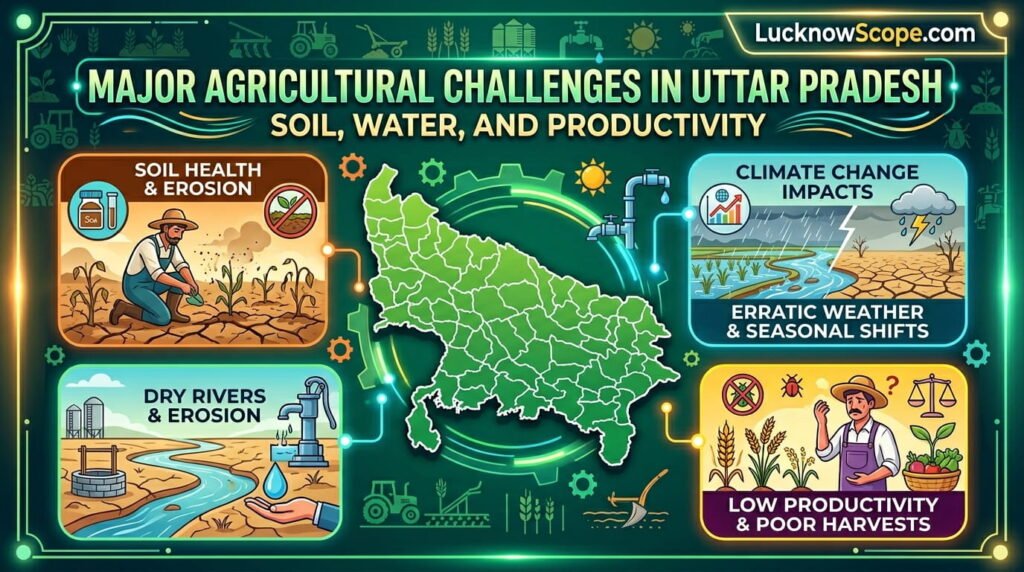
The irrigation systems in Uttar Pradesh are pivotal for sustaining agricultural productivity; however, they face numerous challenges that threaten their efficiency and effectiveness. One of the foremost issues is water scarcity. Rapid population growth, coupled with increased agricultural demand, has led to excessive exploitation of water resources. This scarcity affects not only the availability of water for irrigation but also the quality of water available, as groundwater levels continue to decline.
Another significant challenge arises from pollution. Industrial waste, untreated sewage, and agricultural runoff contribute to the contamination of water bodies feeding irrigation systems. This pollution not only poses health risks to consumers but also hampers agricultural output due to the adverse effects on crop quality. Moreover, polluted irrigation water can disrupt the ecosystem of the surrounding areas, leading to long-term detrimental effects on biodiversity.
Climate change further complicates the situation, introducing unpredictable weather patterns that affect rainfall distribution and intensity. Irregular monsoon seasons and prolonged drought periods challenge the reliability of irrigation systems, often rendering them inadequate during critical growing phases. Such fluctuations in climate may necessitate a reevaluation of current irrigation practices and the adoption of more resilient methods.
Lastly, the maintenance of existing irrigation infrastructure presents substantial hurdles. Many canals and dams in Uttar Pradesh are aging and require regular upkeep to function properly. Lacking consistent maintenance funding and expertise, these infrastructures may deteriorate over time, leading to inefficiencies and reduced agricultural yield. Addressing these challenges is crucial for ensuring the long-term sustainability of irrigation systems and, by extension, food security in the region.
Future Prospects for Irrigation in Uttar Pradesh
The future of irrigation in Uttar Pradesh presents a landscape ripe for innovation and improvement. As the state continues to grapple with water scarcity and agricultural productivity concerns, it becomes imperative to explore advanced irrigation solutions that embrace sustainability and efficiency. This shift is essential not only to enhance crop yields but also to convey resilience against the effects of climate change.
One promising avenue is the adoption of precision irrigation techniques that employ technology to optimize water usage. Using data analytics, satellite technology, and IoT devices, farmers can receive real-time data on soil moisture levels, enabling them to irrigate more effectively and reduce water waste. Implementing such technologies can revolutionize the inefficient irrigation practices traditionally used in the region.
Moreover, sustainable practices such as rainwater harvesting and soil moisture conservation should be integrated into existing irrigation frameworks. By capturing and utilizing rainwater, farmers can supplement traditional irrigation methods, particularly during dry spells, thereby alleviating pressure on existing water resources.
The investment in infrastructure is another critical factor in bolstering irrigation systems in Uttar Pradesh. Upgrading existing canals and building new reservoirs can enhance water retention capabilities and ensure a more reliable supply during peak agricultural seasons. It is essential for both government and private stakeholders to collaborate in financing these infrastructure projects, which not only improve agricultural output but also safeguard water security for future generations.
Furthermore, training programs aimed at educating farmers on sustainable irrigation practices, climate adaptation strategies, and technological advancements can foster community engagement and promote a culture of conservation. By focusing on innovative solutions that prioritize sustainability, Uttar Pradesh can work towards creating a more resilient agricultural economy.
Conclusion: The Way Forward
The irrigation systems in Uttar Pradesh, encompassing a network of canals and dams, have proven crucial to the region’s agricultural framework. By enhancing water availability, these infrastructures have significantly contributed to crop yields and overall agricultural productivity. The benefits realized from such systems highlight the importance of continuous assessment and strategic investment in irrigation initiatives.
Looking ahead, it is imperative that stakeholders—including government, farmers, and agricultural organizations—recognize the necessity of modernizing existing systems and exploring innovative irrigation solutions. Advanced technologies, such as drip and sprinkler irrigation, alongside traditional canal systems, can drastically increase efficiency, reducing water wastage while ensuring that farms receive adequate hydration. Additionally, integrating climate-resilient water management practices will be essential to address unpredictable weather patterns and potential drought conditions.
Moreover, it is vital to secure funding and support for irrigation projects to cultivate a sustainable agricultural landscape. Community involvement and education regarding efficient water use practices can also play a significant role in advancing the agricultural sector. A collaborative approach that includes research, technological deployment, and financial aid from local and national governments can bolster the state’s agricultural resilience.
In conclusion, the future of irrigation systems in Uttar Pradesh hinges on proactive measures aimed at revitalizing existing infrastructures and embracing innovative technologies. By doing so, the region will not only enhance its agricultural productivity but also ensure food security and economic stability for its farmers in the years to come.