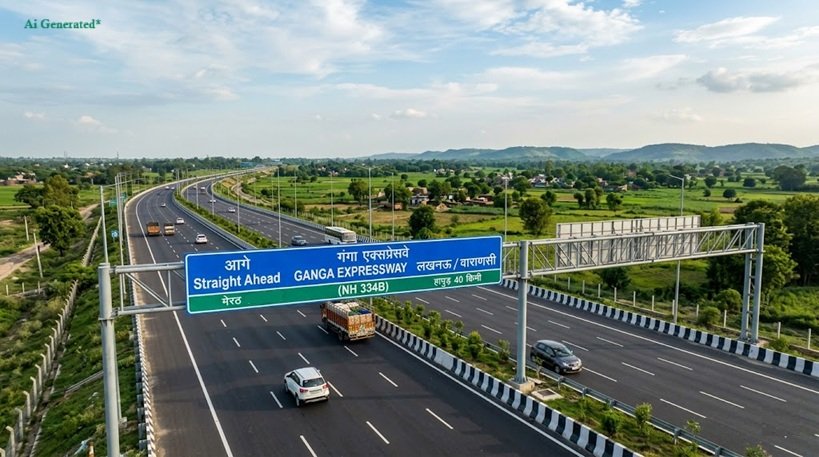
Japan’s growing economic partnership with Uttar Pradesh represents a transformative moment for our state, one that promises unprecedented industrial growth, employment opportunities, and a new chapter in India-Japan relations that will reshape Lucknow’s position in the global economy.
Introduction
As an educator based in Lucknow, I’ve spent over 15 years observing how our city responds to change. From shifts in our education system to the evolution of our markets and urban landscape, I’ve learned that transformation often comes not from within alone, but from meaningful partnerships with the wider world. Today, I want to discuss something that excites me deeply—Japan’s significant investment plans for Uttar Pradesh and what this means for Lucknow and its residents.
The recent news about Japanese investors planning major industrial investments across various sectors in Uttar Pradesh isn’t just another headline. It’s a pivotal moment that could reshape our state’s economic future. As someone who writes about Lucknow’s business landscape and development, I’ve closely followed this story, and I believe it’s important for our community to understand what’s happening and why it matters.
The Investment Story Unfolds
Recent developments have created considerable excitement in government circles and among business communities. Following the successful conclusion of the Uttar Pradesh International Trade Fair held in Greater Noida between September 25-29, preparations have already begun for another delegation of Japanese investors to visit the state within the next month. This isn’t their first visit—in fact, this represents a second major industrial investment exploration mission within just a few weeks.
What makes this particularly significant is the scale and frequency of these visits. A delegation of over 100 Japanese investors visited Uttar Pradesh earlier, between August 18-23. This rapid succession of visits indicates serious, sustained interest rather than a passing curiosity. For those of us watching Lucknow’s development, this is encouraging because it suggests our state is now firmly on the radar of global industrial investors.
The Broader Context: A $1 Trillion Economy Vision
The ambitions behind these visits are remarkable. Uttar Pradesh is working toward becoming a $1 trillion economy—a goal that seems ambitious until you consider the state’s population, geographical advantages, and existing industrial base. When Japanese companies decide to invest here, they’re not investing in a small or uncertain market; they’re investing in India’s most populous state, which has consistently demonstrated strong economic growth.
Japanese investment in various sectors—including automotive, electronics, manufacturing, and technology could be transformative. Consider a typical example: when a major Japanese automobile component manufacturer sets up operations in a state like ours, it doesn’t just create jobs for engineers and factory workers. It creates an entire ecosystem of employment—logistics workers, quality inspectors, administrative staff, maintenance technicians, packaging specialists, and countless service sector jobs for those who work in the facility.
Chief Minister’s Diplomatic Efforts
Much of this momentum traces back to Chief Minister Yogi Adityanath’s visit to Singapore and Japan in February this year (February 22-26). During that diplomatic mission, the Chief Minister held meetings with Japanese investors on February 25-26, which resulted in approximately 4.5 lakh crore rupees (about $54 billion USD) in investment commitments from various companies. For context, that figure is substantial it represents serious capital that Japanese companies are willing to commit to developing infrastructure and manufacturing capacity in Uttar Pradesh.
When a state’s government leader travels internationally and returns with such commitments, it validates the state’s investment potential to the global community. It signals that our administration is business-friendly, committed to partnerships, and capable of facilitating large-scale industrial projects.
What Does This Mean for Lucknow?
Now, as someone who writes extensively about Lucknow’s business environment and lifestyle, I want to address the question many readers likely have: “What does this mean for us in Lucknow?”
Lucknow, as the state capital, stands to benefit significantly from such investments. While the specific locations for Japanese industrial investments haven’t been fully detailed, industrial corridors often develop around major cities with strong infrastructure, educational institutions, and administrative support. Lucknow has advantages in all these areas.
Consider these practical implications:
Employment Opportunities: The Japanese business model emphasizes quality, precision, and technical excellence. Companies from Japan typically invest in training local workforces to international standards. This means job creation isn’t just in factories—it includes supervisory positions, technical training roles, and quality management positions that offer better salaries and career progression than traditional manufacturing jobs.
Skill Development: Japanese companies often establish partnerships with technical institutes and colleges for worker training. This has already happened in other Indian cities where Japanese manufacturers operate. We could see similar initiatives in Lucknow, upgrading our vocational education standards and creating more relevant training programs aligned with international industry requirements.
Infrastructure Development: Large-scale Japanese investments typically require robust infrastructure, reliable electricity supply, good road connectivity, water management systems, and telecommunications. This has a spillover effect, the infrastructure improvements made for industrial zones benefit surrounding residential areas as well.
Business Ecosystem Growth: When Japanese companies establish operations, they often bring associated businesses suppliers, logistics partners, hospitality services for Japanese expatriates and businessmen, and specialized consulting services. This creates secondary employment and business opportunities for local entrepreneurs.
Learning from Similar Developments Across India
In cities like Pune, Bangalore, and Surat, Japanese investment has transformed the economic landscape. Pune, for instance, has become a significant automobile manufacturing hub partly due to Japanese company investments. Surat’s textile and diamond industries have benefited from Japanese technical partnerships. These aren’t hypothetical examples—they demonstrate what Japanese investment can achieve when combined with local business acumen and state support.
The Road Ahead
The pattern emerging suggests a sustained engagement rather than a one-time investment proposal. Japanese companies typically conduct thorough due diligence, visiting locations multiple times, assessing infrastructure, understanding regulatory environments, and evaluating the local workforce’s capabilities. This is good news because it means investors are taking their commitments seriously.
For Lucknow, this creates a unique opportunity. Our city has historically been known for its cultural heritage, education, and administrative importance. Now, we have the potential to add a new identity—as an emerging center for quality manufacturing and industrial excellence driven by international partnerships.
Conclusion
As an educator and mother, I understand the importance of preparing the next generation for opportunities that lie ahead. Japanese investment in Uttar Pradesh represents more than statistics and financial figures. It represents tangible opportunities for our young people to pursue careers in world-class manufacturing environments, access international training standards, and participate in India’s integration into global supply chains.
For residents of Lucknow, this development should inspire both excitement and engagement. We should encourage our students to develop technical skills, proficiency in quality management practices, and language abilities that make them attractive to multinational employers. We should support business communities in developing supplier relationships with potential Japanese operations. We should advocate for the infrastructure improvements that these investments will inevitably require.
Japan’s interest in Uttar Pradesh isn’t accidental, it reflects a recognition of our state’s potential. As these investments materialize over the coming months and years, Lucknow can position itself as a key beneficiary and partner in this transformative journey.