
When you grow up in Lucknow, as I did, you develop a deep connection with the rivers that flow through this magnificent state. Uttar Pradesh, often called the heartland of India, is blessed with some of the most significant rivers in our country. These waterways are not merely geographical features; they are the lifeblood of our civilization, carrying with them thousands of years of history, culture, spirituality, and economic sustenance. Today, I want to take you on a journey through the five major rivers of Uttar Pradesh and explore why they remain so vital to our state and our nation.
The Ganga: The Sacred Thread That Binds Us All
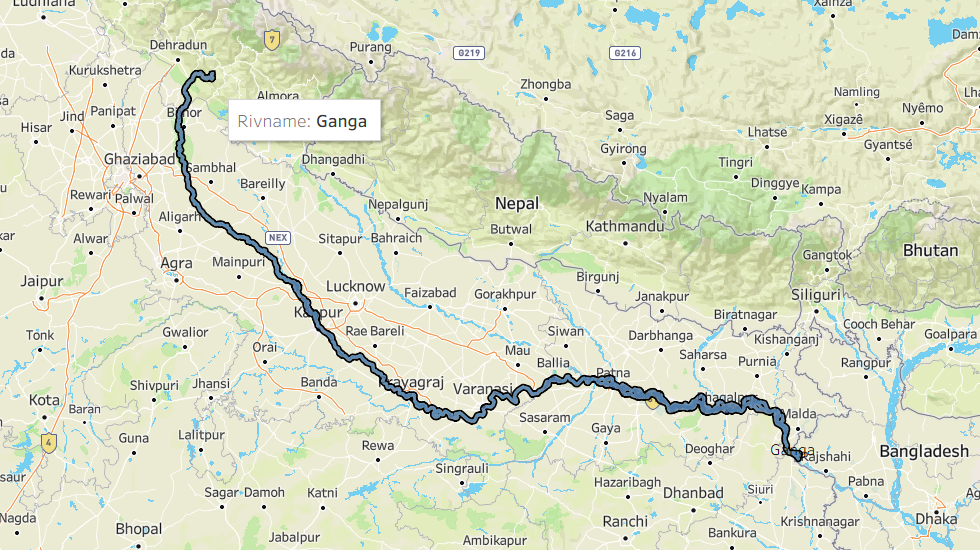
There is something deeply spiritual about the Ganga, and no amount of years spent as an educator can diminish the awe I feel when I think about this magnificent river. The Ganga enters Uttar Pradesh from Uttarakhand and travels approximately 1,450 kilometers through the state, making it the longest river to flow through UP. This river has shaped the very soul of our civilization.
The Ganga is far more than a river; it is a testament to Hindu spirituality and cultural identity. In Varanasi, the oldest living city in the world according to many historians, the Ganga holds supreme importance. Millions of pilgrims visit the ghats of Varanasi each year, performing rituals and ceremonies that have been performed for millennia. When I teach my students about Indian culture and heritage, I always emphasize how the Ganga represents the flow of life itself in Hindu philosophy.
From an environmental perspective, the Ganga basin supports over 400 million people across its length, making it one of the most densely populated river basins in the world. The river’s irrigation system has created fertile agricultural lands that feed a substantial portion of India’s population. The Ganga irrigation network includes major canals that distribute water across the Indo-Gangetic plains, turning them into India’s granary. Cities like Kanpur, Allahabad, and Varanasi have historically thrived because of the Ganga’s presence.
However, I must address a concern that deeply bothers me as an educator and an environmentally conscious citizen. The Ganga faces severe pollution challenges today. Industrial waste, sewage, and agricultural runoff have compromised the river’s water quality. The Indian government has launched initiatives like the National Mission for Clean Ganga (NMCG) to restore and protect this sacred river. As teachers, we have a responsibility to educate the next generation about environmental conservation and the importance of protecting our rivers.
The Yamuna: The Gentle Companion
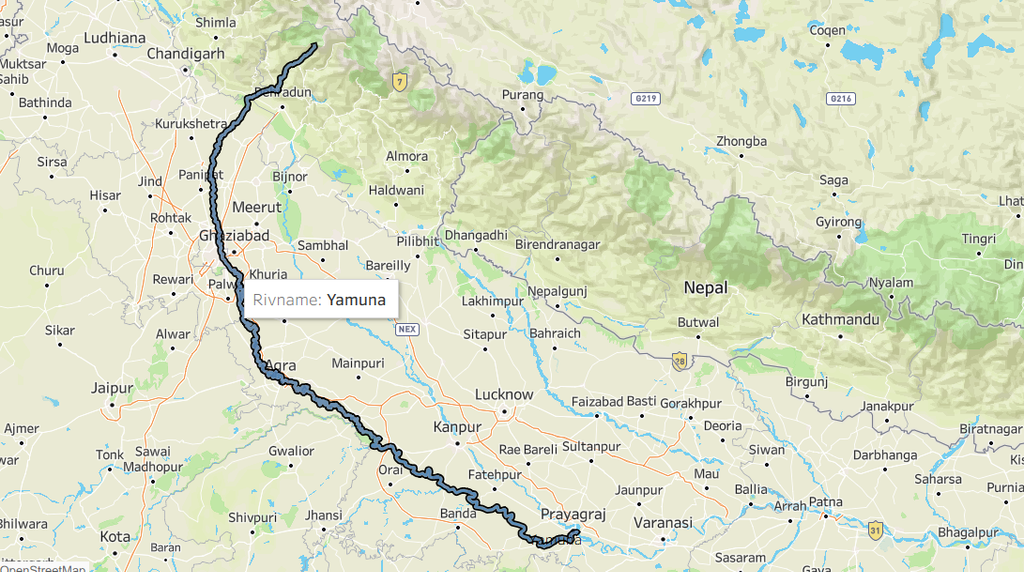
The Yamuna, often called the Ganga’s most important tributary, flows through Uttar Pradesh and holds a special place in Hindu mythology. According to our religious texts, the Yamuna is the sister of Yama, the god of death, and is revered as a goddess herself. For generations, the Yamuna has been intimately connected with the cultural and spiritual life of northern India.
The Yamuna enters UP from Himachal Pradesh and flows through several important cities including Mathura and Agra. Mathura, the birthplace of Lord Krishna, is one of India’s holiest cities. The Yamuna here is not just a river; it is a thread connecting pilgrims to their deepest spiritual beliefs. I have always found it fascinating how ancient towns were strategically built along the Yamuna to harness its spiritual and practical benefits.
From an economic standpoint, the Yamuna basin supports agriculture across Delhi, Uttar Pradesh, and Rajasthan. The river provides irrigation to millions of hectares of land, growing crops that feed our nation. The Yamuna has also been crucial for industrial development, though this has come with environmental costs. Like the Ganga, the Yamuna has suffered from pollution, particularly as it passes through urban centers. The Delhi-UP stretch of the Yamuna shows concerning levels of pollution, which is a sobering reminder of how our development has impacted these life-giving waters.
The Indus: The Westward Flow of Civilization
While much of the Indus river flows through Pakistan, a small but significant portion of its basin lies in Uttar Pradesh, primarily in the northwestern region. Historically, the Indus was the heart of one of the world’s greatest civilizations: the Indus Valley Civilization, which flourished between 3300 and 1300 BCE.
The Indus has immense historical significance for understanding Indian civilization. Archaeological discoveries along the Indus valley have revealed sophisticated urban planning, advanced drainage systems, and evidence of a highly organized society. When I teach history to my students, I use the Indus Valley Civilization as an example of how our ancestors possessed remarkable knowledge and capabilities thousands of years ago.
In contemporary Uttar Pradesh, the Indus basin’s contribution is limited due to geographical boundaries. However, the river’s historical importance and its role in shaping early Indian culture cannot be overstated. The Indus treaty between India and Pakistan (signed in 1960) is one of the world’s most successful international water-sharing agreements, demonstrating the river’s continued significance.
The Gomti: The Heart of My City 💕
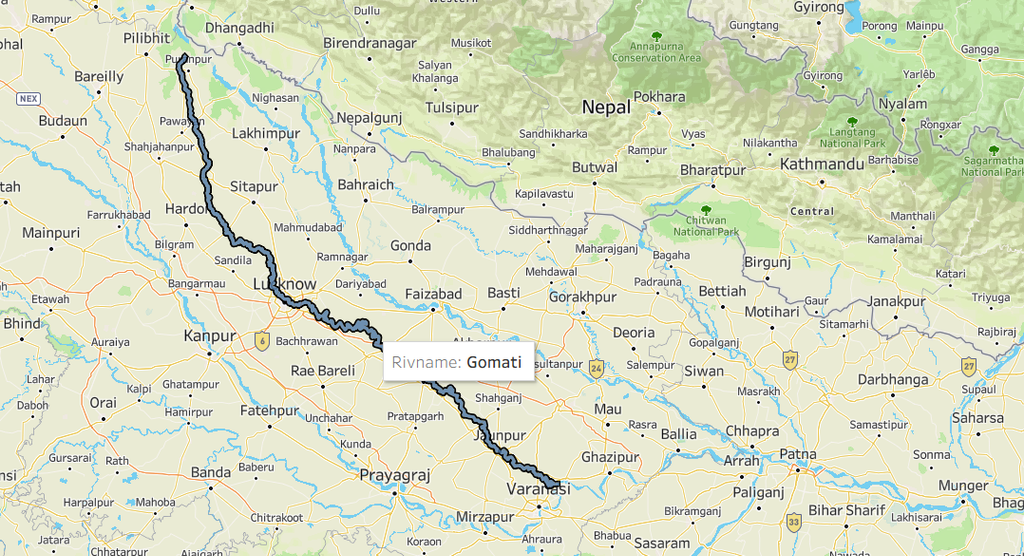
As someone who has lived in Lucknow my entire life, the Gomti river holds a special place in my heart. This river, which flows through the city, is intrinsically linked to Lucknow’s identity and development. The Gomti originates in the forests of Pilibhit and flows approximately 900 kilometers before merging with the Ganga near Varanasi.
Lucknow developed as a city precisely because of the Gomti’s presence. The river provided water for drinking, irrigation, and industrial use. Historically, the ghats of Lucknow on the Gomti were places of great cultural significance. Music, dance, and literature flourished in the courtyards overlooking this river. As a teacher, I often bring my students to the Gomti to help them understand their city’s history and to connect them with the cultural heritage that flows through its waters.
The Gomti supports agriculture across a vast area of eastern Uttar Pradesh. The river basin covers districts like Lucknow, Sitapur, Sultanpur, and Gonda, supporting the livelihoods of millions. However, like other rivers, the Gomti faces serious pollution challenges. The river passing through Lucknow collects urban waste and industrial effluents. I have become increasingly involved in community awareness programs about river conservation, speaking with parents and students about the importance of protecting the Gomti.
The Lucknow Development Authority and various environmental organizations are working to revitalize the Gomti through projects aimed at cleaning and protecting the river. These initiatives give me hope that we can restore this river to its former glory for future generations.
The Betwa: The Vital Artery of Central Uttar Pradesh
The Betwa is a river that deserves more recognition than it typically receives. This important tributary of the Yamuna flows through Uttar Pradesh and covers districts including Jhansi, Hamirpur, and Banda. The Betwa basin is particularly significant for irrigation and hydropower generation.
The Betwa basin supports agriculture in some of UP’s most agriculturally important regions. The river irrigates crops across thousands of hectares, supporting farmers who depend on its waters for their survival. Several dams constructed on the Betwa provide not only irrigation water but also generate electricity, contributing to UP’s power needs.
Culturally, the Betwa has been mentioned in ancient texts and has supported civilizations for centuries. The basin area contains several historically significant sites and towns that developed because of the river’s presence. From a biodiversity perspective, the Betwa and its basin support various species of plants and animals, making it important for ecological balance.
The Connected Destiny: Rivers and Our Future
These five rivers collectively represent the past, present, and future of Uttar Pradesh. They are not independent entities but are interconnected through their geography, history, and purpose. The Ganga, Yamuna, Indus, Gomti, and Betwa together create a network that has sustained human civilization in northern India for thousands of years.
As an educator, I believe it is crucial that we teach the next generation about these rivers not just as geographical features, but as living entities that deserve our respect and protection. When I conduct classes, I encourage students to research and understand their local rivers, to visit these waterways, and to think critically about environmental conservation.
The Indian government’s various initiatives, including those outlined by the Ministry of Jal Shakti and state water resources departments, demonstrate the ongoing commitment to river management and conservation. However, individual and community participation is equally important. As residents of Uttar Pradesh, we all share a responsibility to protect and preserve these life-giving rivers for future generations.
Conclusion: Guardians of Our Rivers
The rivers of Uttar Pradesh are more than water bodies; they are the threads that weave together our history, culture, spirituality, and survival. From the sacred Ganga to the beloved Gomti flowing through my beloved Lucknow, each river carries the stories of millions and the hopes of generations yet unborn.
Our challenge today is to balance development with conservation, to grow as a society while protecting the natural systems that sustain us. As educators, as parents, as citizens, we must commit ourselves to understanding and protecting these precious resources. The rivers that have sustained us for millennia deserve nothing less than our dedication to their preservation.
The next time you stand on the banks of any of these rivers, I invite you to reflect on the profound connection between humans and nature, between our past and our future. Our rivers are calling us to be better stewards of this land we call home.
Pingback: 100 Important Topics for State Government Jobs in Uttar Pradesh: What Students Should Know - Lucknowscope